The moral, explained
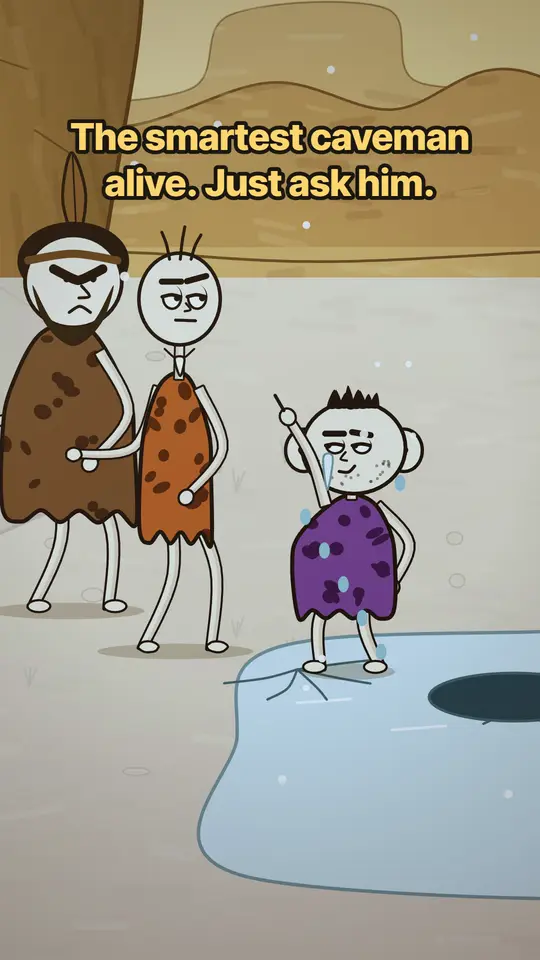
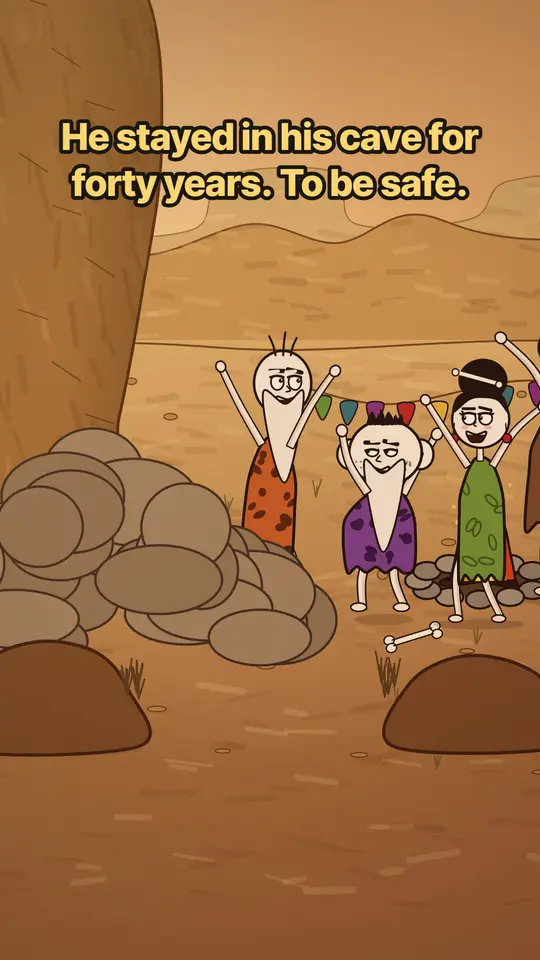
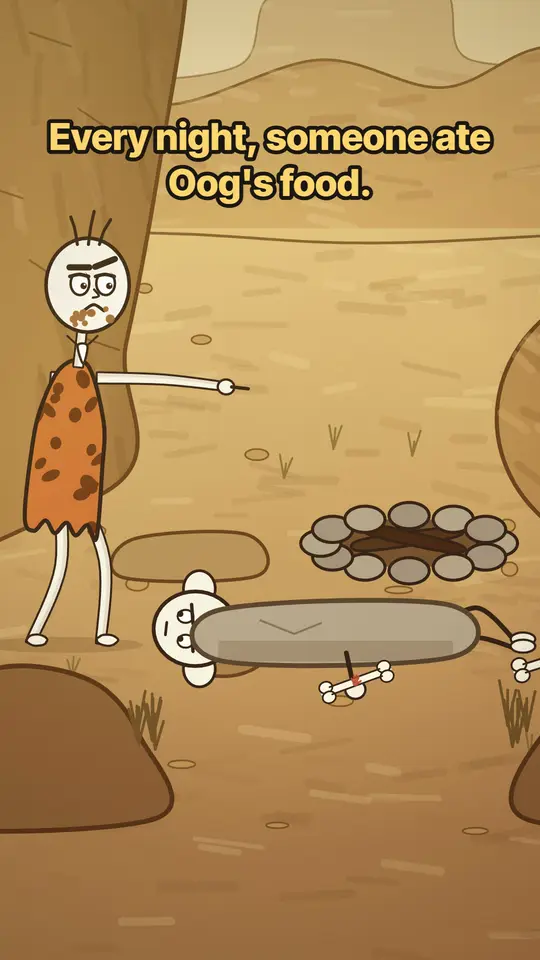
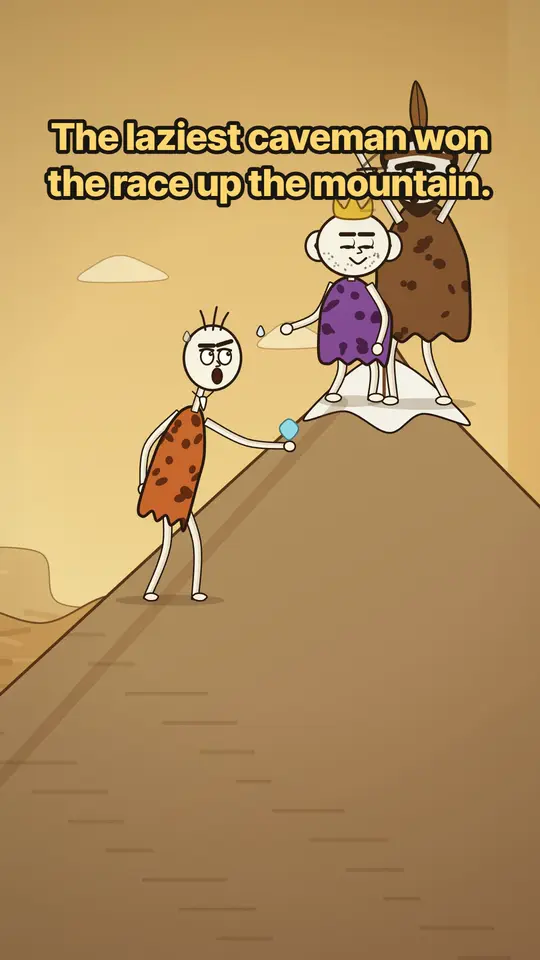
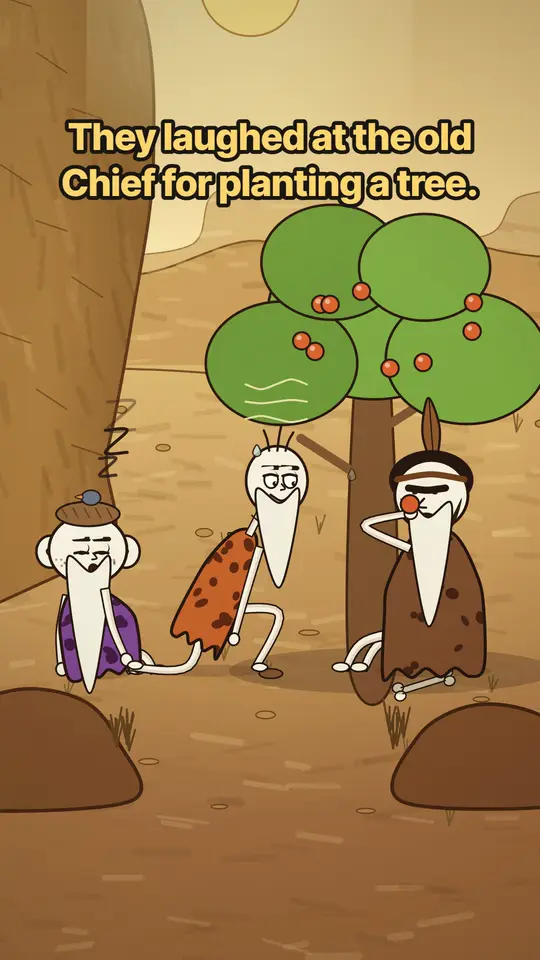
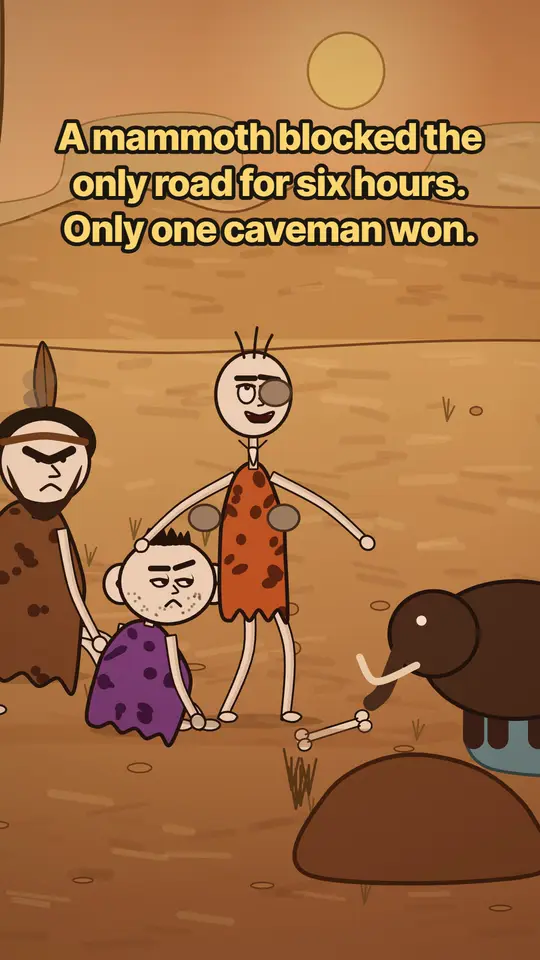
When the mammoth was a baby, the tribe tied it to a twig. It pulled and pulled and couldn't break free, so it stopped trying. Years later it was huge, and still tied to the same twig. When a sabre-tooth came, it didn't move. It was tied up, after all. Then Oog shouted: it's a twig! The mammoth looked down. That was the Chief's last day in charge.
It's our version of the elephant and the rope story, an old parable about a circus elephant tied as a calf to a stake it couldn't pull up. Grown huge, it never tries again, because it learned as a calf that the rope always wins. Nobody knows who first told it, and the point is the same in every version: the strongest limits are often the ones we stopped testing.
"The most common way people give up their power is by thinking they don't have any" means exactly that. You may have more say than you think: over your time, your job, how people treat you, what you try next. Old failures, from a time when you really were small, can quietly convince you that you still are.
Who really said it?
It's credited to the American writer Alice Walker almost everywhere, but nobody has found it in her books, essays, interviews or speeches. Quote Investigator traced the earliest known printing to a 1999 newspaper column by the Canadian counsellor Rhona Raskins, who didn't say where it came from. Newspapers printed it under Walker's name from 2000. So: a good line, a common attribution, and no confirmed source.
Try this today
Write down one thing you've decided you "can't" do. Next to it, write when you last actually tried. If the answer is years ago, give it one small pull this week.
Talk about it
What's your twig?