The moral, explained
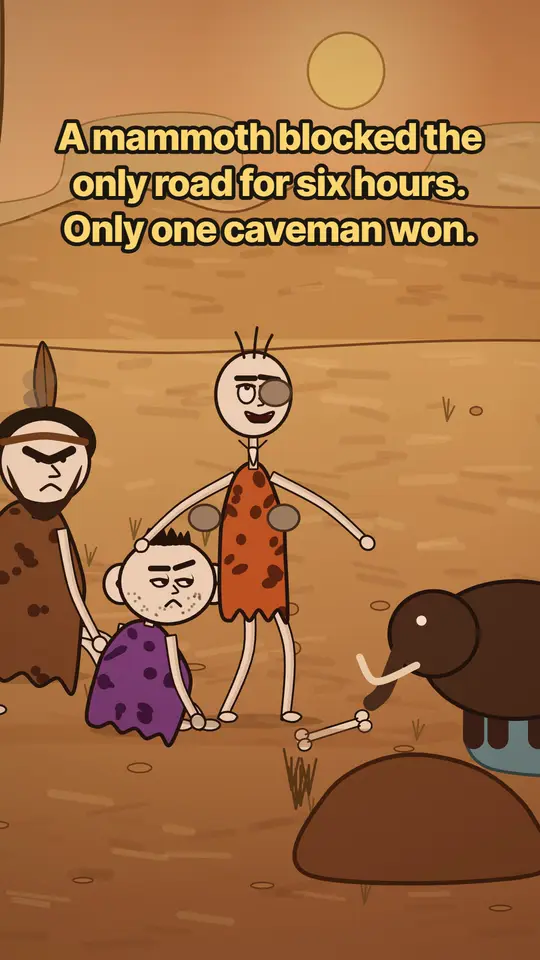
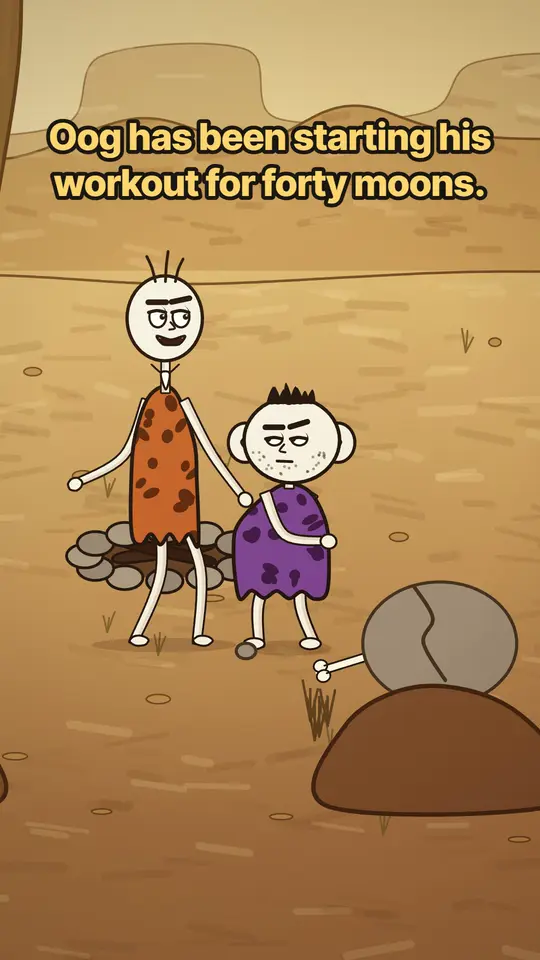
The Chief held a race: first to the top of the mountain wins the crown. Oog sprinted, then stopped for berries, then a nap, then a shiny rock. Ochra got a blister and went home. Grub walked, very, very slowly. He ate walking. He napped walking. He never stopped once. When Oog finally looked up, Grub was asleep on the summit, wearing the crown.
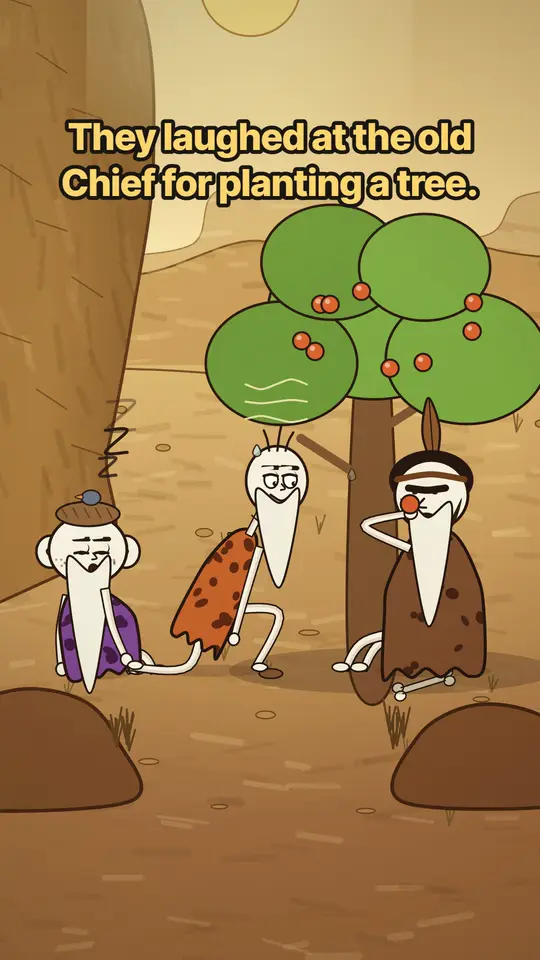
"It does not matter how slowly you go as long as you do not stop" means that steady progress beats bursts of effort. Speed is exciting, but it isn't what finishes things. What finishes things is not quitting: the slow learner who practises every day overtakes the fast one who practises when they feel like it. It's the tortoise and the hare, with more snacks.
The useful part is that slow is allowed. You don't have to feel motivated, or be good at it yet, or have a perfect plan. You just have to keep the next step small enough that you'll actually take it.
Who really said it?
Almost certainly not Confucius. The line doesn't appear in the Analects or any other early Confucian text; it's a modern saying with his name on it. The closest real passage is Analects 9.21 (9.20 in James Legge's numbering), where Confucius speaks of his favourite student, Yan Hui: "I saw his constant advance. I never saw him stop in his progress." That is about never stopping, not about going slowly, but you can see how the modern version grew from it.
Try this today
Pick something you quit because it was going too slowly. Do the smallest possible version of it today: one page, one stretch, one sentence. Then do the same tomorrow.
Talk about it
Are you an Oog (fast, then distracted) or a Grub (slow, but never stops)?