The moral, explained
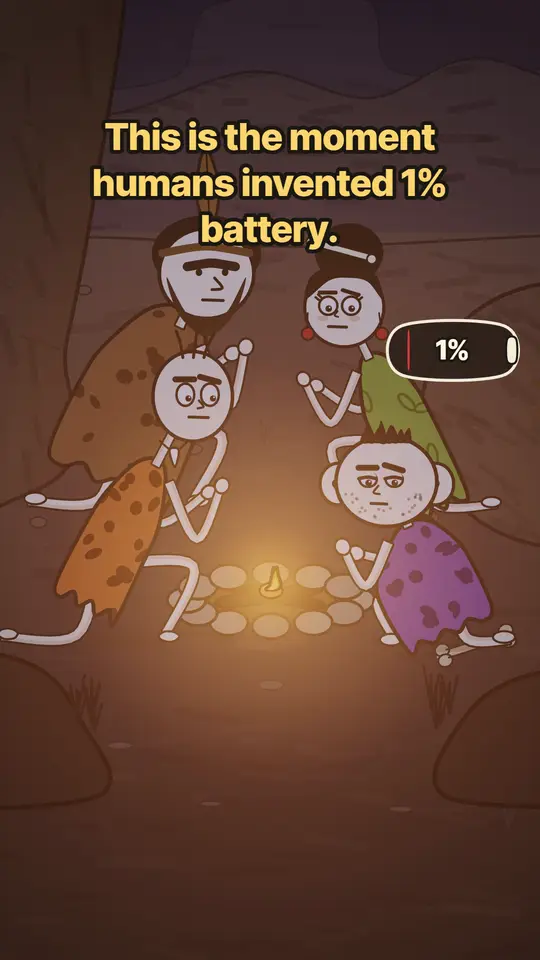
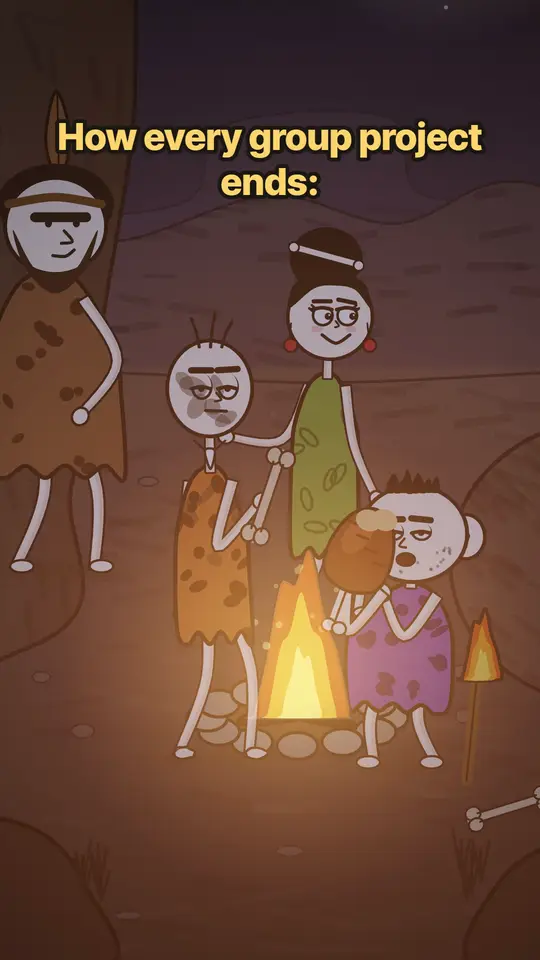
One morning a mammoth lay down on the only path to the river. The Chief yelled at it. Grub threw a tantrum. Ochra painted it a one-star review. The mammoth fell asleep. Oog sat down and picked up three stones. Six hours later the mammoth got up and left. Everyone had lost a whole day being angry, and Oog could juggle.
"You have power over your mind, not outside events" means you can't control the traffic jam, the cancelled train, the weather or what other people do, but you can control what you do with the wait. Anger at a mammoth doesn't move the mammoth. It just ruins your day on top of the delay. The Stoics' trick is to sort every problem into two piles: things you control and things you don't, and to spend your energy only on the first pile.
It isn't about pretending to be happy. Oog wasn't cheering for the mammoth. He just noticed that six hours were going to pass either way, and decided to get something out of them.
Who really said it?
The exact words aren't in the Meditations; it's a modern paraphrase that circulates under Marcus Aurelius's name. The idea is genuinely his, though. In Book 8 he writes, in George Long's translation: "If thou art pained by any external thing, it is not this thing that disturbs thee, but thy own judgement about it. And it is in thy power to wipe out this judgement now." The modern version is a fair summary, not a quotation.
Try this today
Next time you're stuck waiting (a queue, a delay, a slow download), ask: what can I do with these minutes? Read a page, call someone, stretch, learn one thing. Bring three stones.
Talk about it
What's your mammoth on the road? And what's your juggling?