The moral, explained
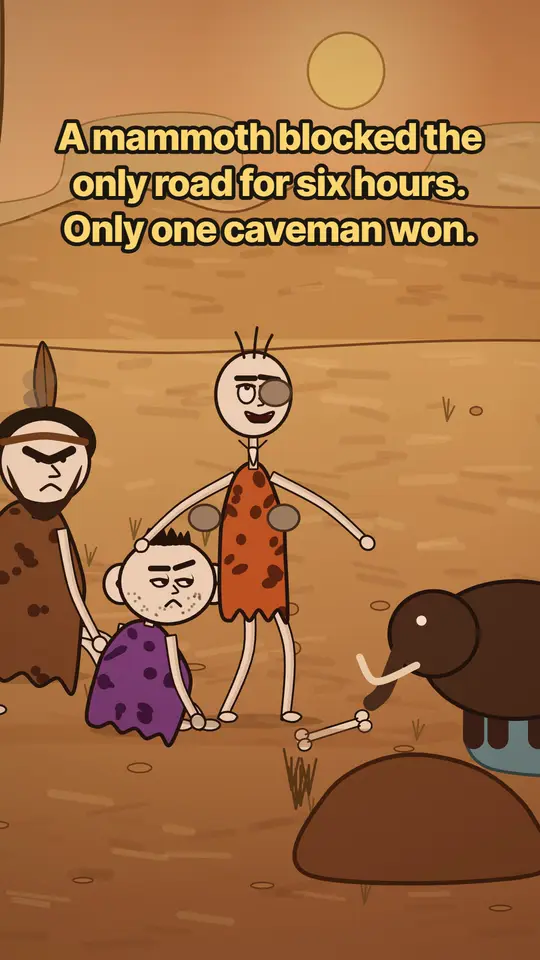
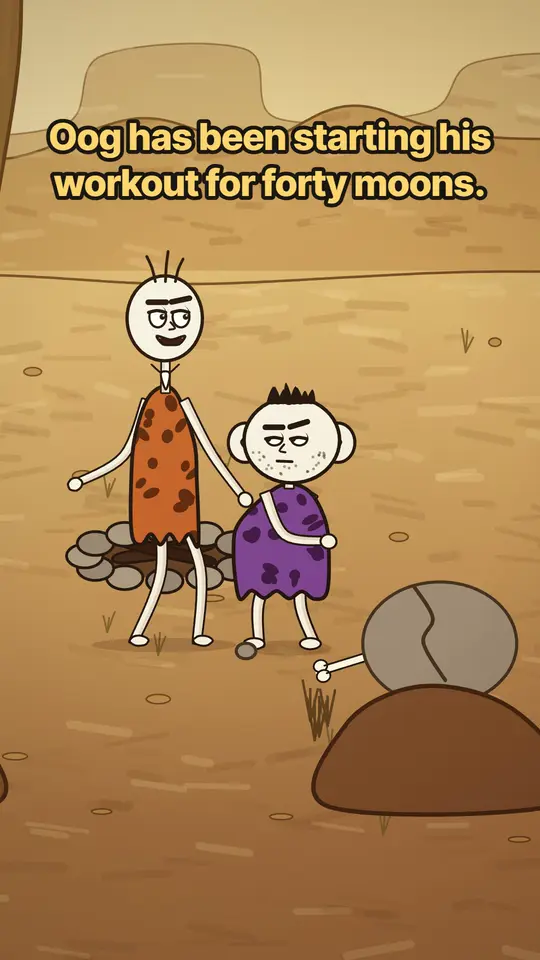
Grub knew everything. The moon? A giant egg. Thunder? The sky burping. Oog knew nothing, so he kept asking questions. Then the lake froze. Grub knew ice: ice is ice. Oog didn't know, so he tapped it first. Grub knew water too, eventually. When they pulled him out, he said: I knew that would happen.
"The fool doth think he is wise, but the wise man knows himself to be a fool" means that knowing the limits of what you know is the start of real knowledge. The person who is sure about everything has stopped checking, and the person who says "I'm not sure, let me look" is the one who taps the ice. Psychologists have a name for one side of this, the Dunning-Kruger effect: people who know little about a subject tend to overestimate how much they know, partly because it takes knowledge to spot your own mistakes.
Grub's last line is the most human part. Even soaking wet in a hole in the ice, he can't say "I was wrong". Some people would rather rewrite the past than admit a mistake, and that's what keeps them falling in.
Who really said it?
This one is real. It's from Shakespeare's As You Like It, Act 5, Scene 1, written around 1599. The clown Touchstone says it to William, a young country man who has just boasted that he has "a pretty wit". Touchstone introduces it as an old saying he remembers, which makes it fitting that the wisest line goes to the play's fool.
Try this today
Next time someone asks you something you're only half sure of, say "I think so, but let me check" and then check. Count how often you were right. It's usually less often than it felt.
Talk about it
Who's the Grub in your group? And when were you last the Grub?